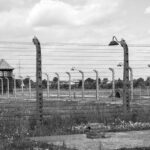
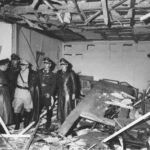
In the occupied France of the 1940s, giving assistance to Jews was extremely dangerous. Although the associated punishments were less formally codified than they were in Poland (where providing any assistance to Jews would incur a death sentence), both the Vichy regime and the German occupying authorities criminalised sheltering or hiding Jews as “aiding the enemy” or “obstructing deportation orders.”
People caught helping Jews could face arrest, imprisonment, deportation to concentration camps, or summary execution, depending on the local German command’s discretion. And when the local Gestapo or Milice (Vichy paramilitary police) were involved, as they often were, those assisting Jewish citizens could be shot on the spot.
However, this did not stop some brave people from turning their own homes into sanctuaries for French Jews. Yvonne Hagnauer – a teacher, humanitarian, and member of the French Resistance – sheltered hundreds of children during WW2, including a young Jewish boy who would later become the world-famous mime Marcel Marceau. Today, we explore her story.
(If you are travelling in Poland and would like to explore the nation’s past with expert historian guides, please consider taking one of our History Day Tours in Poland or Multi-Day WW2 Tours.)
A Teacher with a Conscience
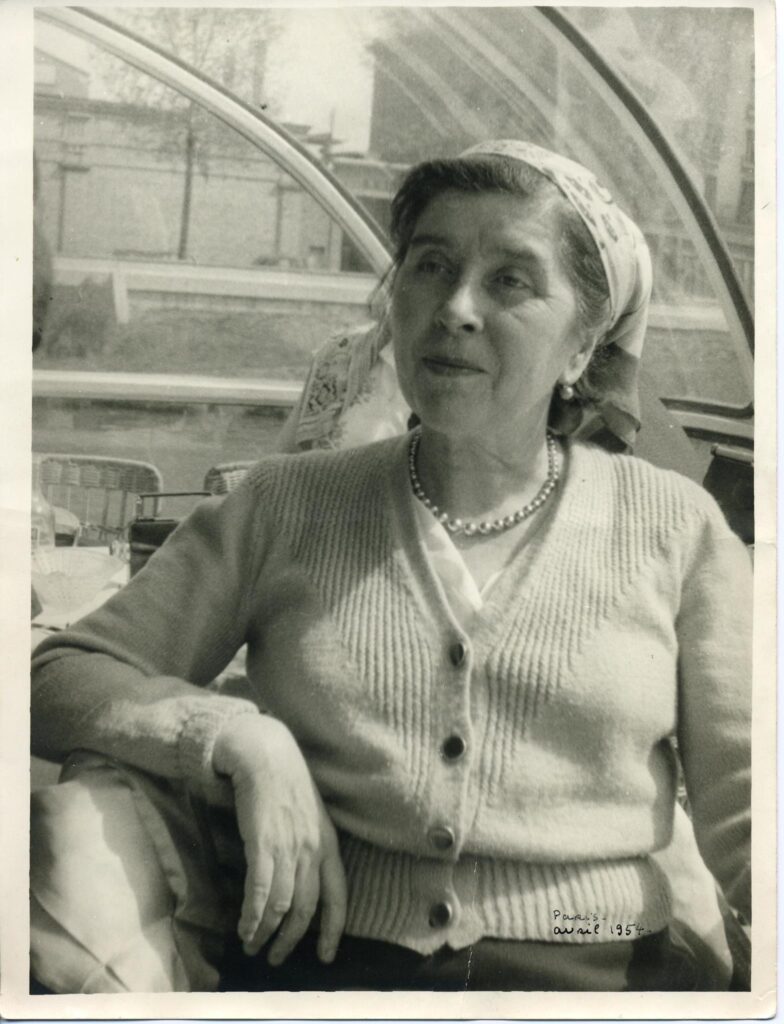
Born in Paris in 1898, Yvonne Eugénie Pauline Even came from a modest Breton family. A gifted student, she trained as a teacher and later earned English certification from the University of Cambridge – a rare achievement for a woman of her era. In 1925, she married fellow educator Roger Hagnauer, with whom she shared both a deep social conscience and a belief that education could change lives.
In the interwar years, the couple became active in progressive and pacifist circles. They envisioned schooling not merely as the transfer of knowledge but as moral formation that would promote empathy, responsibility, and respect. When war erupted, and France fell under Nazi occupation, that philosophy would become a matter of life and death.
The Maison d’enfants de Sèvres
In 1941, Yvonne and Roger established the Maison d’enfants de Sèvres, a children’s home on the outskirts of Paris. At first, it cared for orphaned and displaced children, both Jewish and Christian, amid the chaos of war. As the deportations intensified under the Vichy regime, the Hagnauers quietly shifted their mission: their home became a refuge.
With falsified papers, false names, and unshakable nerve, Yvonne hid Jewish children among their peers. The school’s curriculum carried on – painting, literature, languages – all while beneath the surface ran a network of forged identities, hidden bunkers, and secret routes. The authorities saw a boarding school; in truth, it was a lifeline.
The Boy Named Marcel
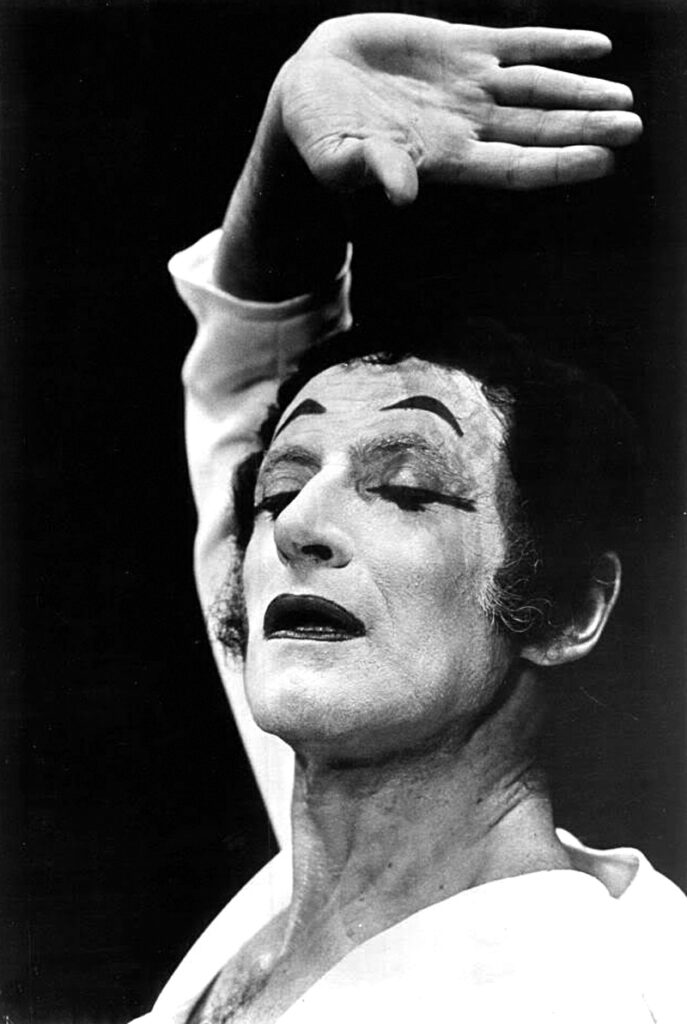
Among the children who passed through Yvonne Hagnauer’s care was Marcel Mangel, a Jewish teenager from Strasbourg whose father would later perish in Auschwitz. Living under the assumed name Marceau (taken from a general of the French Revolutionary Wars, François Séverin Marceau), the boy found not only safety but also inspiration at Sèvres. Yvonne’s nurturing presence and belief in the arts encouraged the shy youth to perform skits for the younger children – small comic pantomimes that allowed them to laugh in a time when laughter was nearly extinct.
Those moments of levity were not trivial. In the shadow of Nazi occupation, they were acts of resistance and affirmations of life, imagination, and freedom. When the war ended, Marcel adopted the stage name Marcel Marceau, paying tribute to the false identity that had saved him.
Marceau later joined the French Resistance himself, helping smuggle Jewish children across the Swiss border. The lessons of courage and empathy learned at Sèvres became the moral core of his art.
Courage in Quiet Acts
The Hagnauers’ resistance was not flamboyant. It unfolded in whispered conversations, forged documents, and nighttime journeys. They risked imprisonment or execution daily. Yvonne’s strength lay not only in her organisational skill but in her unwavering calm. Survivors later recalled her as “Madame Goëland” – Goëland meaning “seagull” – a nickname she adopted as her Resistance codename.
In her, children saw more than a protector; they saw a teacher who restored their sense of worth. She made sure lessons continued, music was played, and birthdays were celebrated. These simple rituals rebuilt a shattered world one child at a time.
Recognition of Yvonne Hagnauer
After the liberation of France, Yvonne continued her work in education, directing the Sèvres children’s home until 1970. She rarely spoke publicly of her wartime deeds; humility seemed as natural to her as bravery.
It was only decades later, through the testimonies of those she had saved, among them Marcel Marceau, that her heroism became known. On 10 September 1974, Yad Vashem recognised Yvonne Hagnauer as Righteous Among the Nations, an honour bestowed upon non-Jews who risked their lives to save Jews during the Holocaust.
She died in 1985, leaving behind no monument of stone, but something greater: generations of children who lived, learned, and carried her values forward.
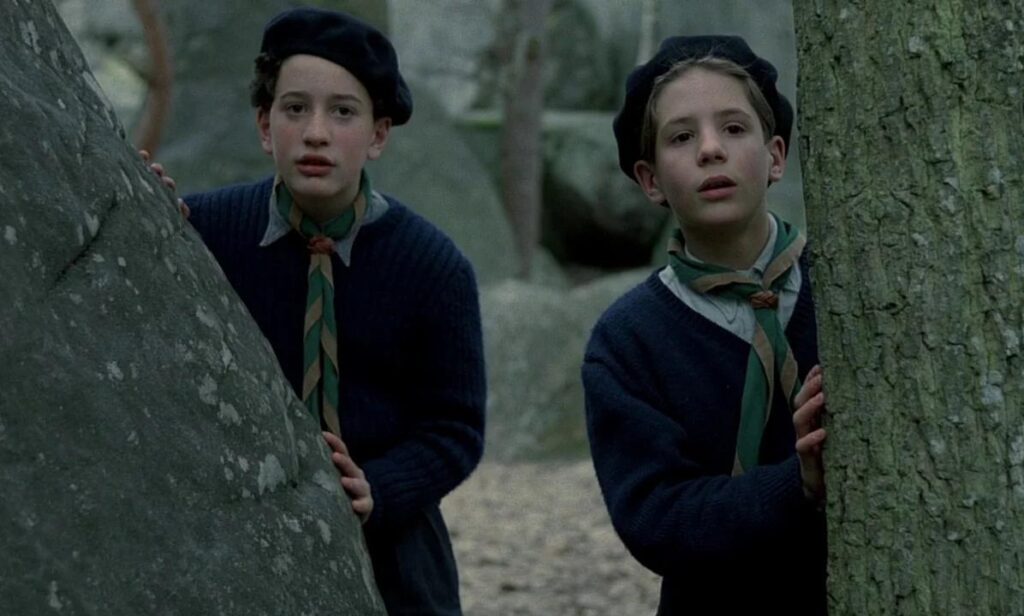
A Parallel in Film: Au revoir les enfants
Those moved by Yvonne Hagnauer’s story will likely find deep resonance in the film Au revoir les enfants (1987), written and directed by Louis Malle. Based on Malle’s own childhood experiences at a French boarding school during the German occupation, the film portrays a Catholic headmaster who secretly shelters Jewish boys under assumed identities – an echo of the real educators, like Yvonne and Roger Hagnauers.
The story captures both the innocence of childhood and the creeping intrusion of war, until betrayal brings devastating consequences. Deeply humane and painfully authentic, Au revoir les enfants reminds viewers, as Hagnauer’s life does, that moral courage often begins in ordinary classrooms, social settings, workplaces, and homes. As the famous quote attributed to Edmund Burke has it: The only thing necessary for the triumph of evil is for good men to do nothing.
Take your exploration of WW2 history further with a tour in Poland: explore our Multi-Day WW2 Tours.